

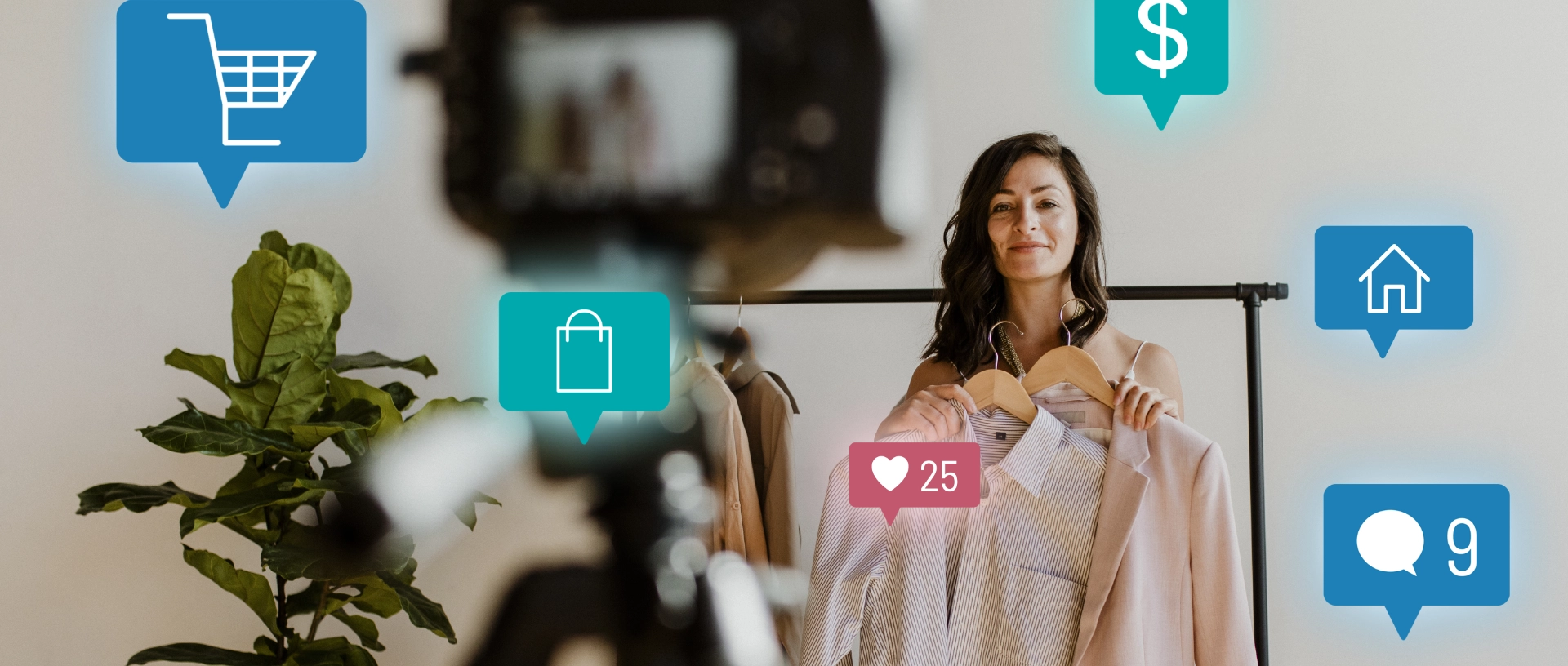
Building a website or e-commerce store creates the foundation, but promotion is what connects that site with an audience. A practical website promotion strategy can combine SEO, Google Ads, social media, email marketing, landing-page improvements and measurement, depending on what the business actually needs.
Not every company needs every channel. The right mix depends on what you sell, who the audience is, how quickly visibility is needed and which data or marketing assets already exist.
Channels that can support website promotion
- SEO for organic visibility in relevant searches.
- Google Ads for paid visibility when users are actively searching for specific products or services.
- Social media and remarketing where they fit the audience and type of business.
- Email marketing for structured communication with existing customers or subscribed recipients.
- Landing pages with a focused message and objective rather than sending every campaign to the homepage.
- Analytics and conversion tracking so meaningful actions can be measured.
Define the business objective first
“More traffic” is not a complete objective on its own. A service business may care about quote requests, calls or form submissions, while an e-commerce store may care about purchases, add-to-cart activity or returning customers.
Once the valuable action is clear, it becomes easier to choose the channel, landing page and measurement approach.
SEO and paid advertising have different roles
SEO focuses on improving organic search visibility and normally needs time before meaningful changes can be evaluated. Google Ads provides paid visibility while campaigns are active. They can support each other, but they are different channels and should not be evaluated in exactly the same way.
Landing pages should continue the campaign message
An ad or email can reach the right audience and still perform poorly if the destination page does not continue the same message. We review whether the landing page explains the service or product clearly, provides the information a visitor needs and makes the next action easy to understand.
When a new page structure or focused landing page is required, that work connects directly with good web design and development and the overall content structure of the site.
Promotion for e-commerce stores
For an online store, promotion does not revolve only around the homepage. Categories, products, offers and campaign landing pages can serve different purposes depending on the channel and customer intent.
The quality of the PrestaShop store structure, product pages and checkout experience affects how effectively campaign traffic can be used after visitors arrive.
Social media and remarketing
Social media can be used for visibility, communication and re-engagement, but users on social platforms do not necessarily have the same immediate intent as someone performing a search. Campaign messaging and audience selection therefore need to reflect the context in which the user sees the content.
Remarketing can be used to reach previous visitors again when the technical setup and audience make it appropriate.
Email marketing and existing audiences
Email marketing is useful for communication with people who already have an established relationship with the business or have subscribed appropriately. Campaigns can support updates, products, offers and other relevant content.
Analytics and conversion tracking
Promotion needs measurement that reflects the objective. Depending on the site and implementation, Google Analytics 4 and conversion tracking can help measure form submissions, phone-link clicks, purchases or other defined actions.
Data is not used to prove that every campaign is successful. It is used to identify what is working, what is not and where changes may be needed.
Budget and channel selection
The available budget affects how many activities can be supported properly. In many cases, focusing on a smaller number of measurable channels is more useful than spreading a limited budget across many platforms without enough data to evaluate any of them.
Continuous evaluation instead of static campaigns
Promotion requires monitoring. Search terms, campaign data, landing pages and conversions are reviewed so decisions can be made about audiences, messaging, budget or the destination page itself.
Different businesses need different promotion plans
A local service business, a B2B company and an e-commerce store have different sales journeys and different useful metrics. The promotion plan should therefore follow the real business model rather than a fixed checklist of channels.
How the engagement starts
We begin by reviewing the existing website, products or services, available data and the main business objective. From there, the channels and landing pages with the clearest role can be prioritized first.
The strategy can evolve as more data becomes available. We do not promise a specific number of sales or leads; the goal is for each activity to have a clear rationale, measurable objective and a way to improve it.